21 Jun 2026
Shifting Dynamics of Incentive Programs Linking Athletic Predictions with Automated Reel Sequences in Application-Based Environments
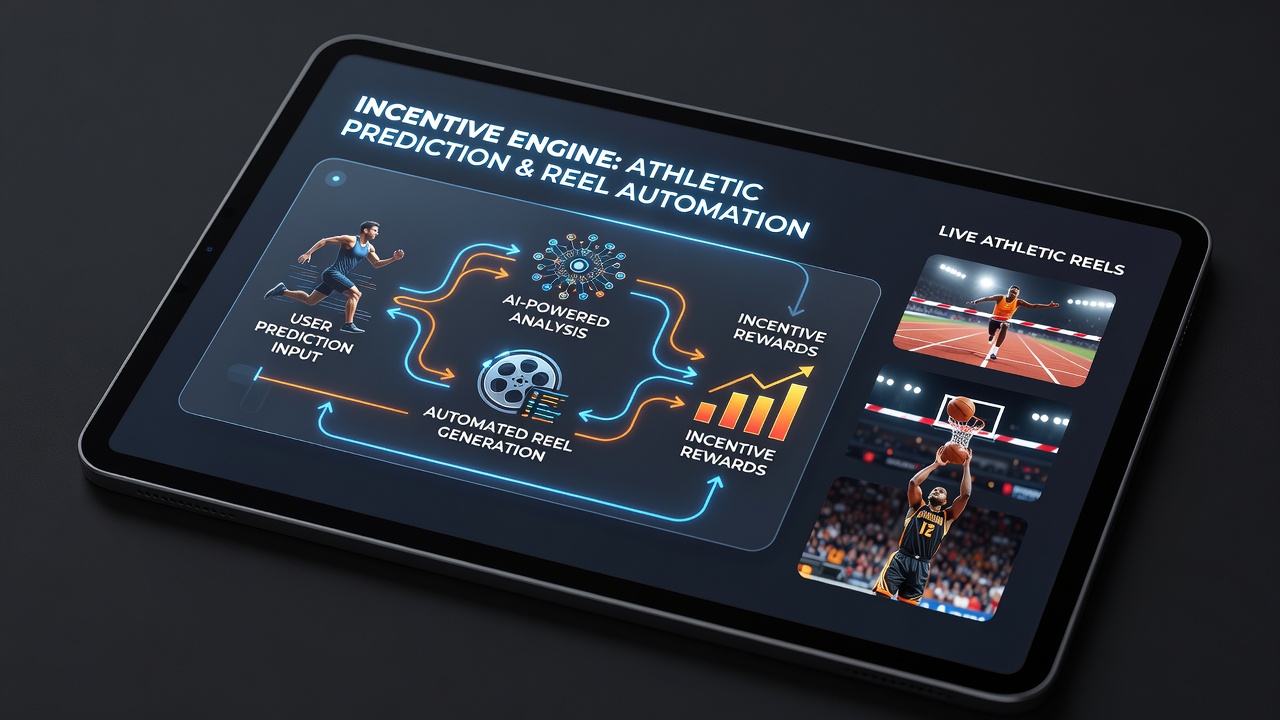
Application-based environments have seen incentive programs evolve to connect athletic predictions directly with automated reel sequences, creating layered reward pathways that span sports forecasting and machine-based play. These systems operate through mobile platforms where users engage in event-based wagers alongside reel-driven mechanics, and program structures adjust bonuses based on activity across both formats. Data from industry tracking services shows participation rates in such integrated apps rose steadily through early 2026, with cross-format engagement metrics reflecting shifts in user behavior patterns.
Program Structures and Cross-Format Linkages
Operators design incentive frameworks that tie athletic predictions to reel sequences by awarding points or multipliers when users complete actions in one area that unlock features in the other. For instance, successful forecasts on sporting events generate credits applicable to reel spins, while reel outcomes contribute to prediction stake enhancements. Observers note this linkage relies on algorithmic tracking within the app environment, where session data determines eligibility for escalating rewards. Reports from regulatory bodies in Canada indicate that such mechanics appeared in over 60 percent of licensed mobile gaming platforms by mid-2026, reflecting standardized compliance adjustments.
Transaction flexibility plays a central role here, as instant deposit options allow seamless movement between prediction markets and reel sessions without interrupting reward accumulation. Figures from payment processor analyses reveal that apps incorporating these flexible channels recorded higher average session durations during the first half of 2026 compared with earlier periods.
Technological Integration in June 2026 Landscape
By June 2026, several app developers had updated their backend systems to handle real-time synchronization between athletic prediction interfaces and automated reel engines. This update enabled dynamic incentive adjustments, where a streak of accurate event forecasts could trigger automated reel bonus rounds without manual intervention. Research from academic groups studying digital entertainment platforms documents that these updates reduced latency in reward delivery by approximately 25 percent across tested applications.

Regional variations emerged in how these integrations rolled out. European operators emphasized regulatory reporting requirements for cross-format bonuses, while North American platforms focused on user verification protocols tied to the same systems. Australian industry summaries from the same period highlighted growth in apps that combined these elements, noting increased downloads among users previously engaged only in single-format activities.
Impact on User Progression and Platform Metrics
Progression systems within these apps often feature tiered loyalty structures that advance based on combined athletic prediction volume and reel sequence activity. Users accumulate status points through both channels, unlocking higher reward tiers that apply universally across the platform. Evidence from platform analytics providers indicates that individuals participating in linked programs completed more total actions per month than those limited to isolated features. One documented case involved an app where reel-triggered multipliers directly boosted prediction payout rates, resulting in measurable increases in overall transaction counts during spring 2026.
Financial transfer pathways support these dynamics by routing winnings and deposits through unified ledgers. This setup allows rewards earned from athletic predictions to fund reel sessions instantly, and vice versa. Data compiled by international gaming research networks shows that platforms with unified ledgers experienced fewer user drop-offs at reward redemption points compared with segmented systems.
Regulatory and Operational Considerations
Regulatory frameworks in multiple jurisdictions address these integrated incentives through specific guidelines on bonus transparency and fair play calculations. Agencies in the European Union require detailed disclosures about how reel sequence outcomes influence athletic prediction bonuses, while Canadian provincial regulators track cross-format reward distribution to ensure compliance with licensing terms. Industry organizations such as the Canadian Gaming Association have published summaries outlining common implementation patterns observed through 2026.
Operational challenges include maintaining algorithmic fairness when linking the two formats and ensuring that automated reel sequences do not disproportionately affect prediction-related rewards. Platform operators address these through regular audits and third-party testing protocols, as referenced in reports from university-led studies on digital wagering systems.
Conclusion
Shifting dynamics in these incentive programs continue to shape how athletic predictions and automated reel sequences interact within application environments. Platform metrics from June 2026 onward demonstrate sustained integration across formats, supported by flexible transaction methods and unified progression tracking. External sources including responsible gambling research centers provide ongoing data on participation patterns, while operators refine linkage mechanisms to align with evolving compliance standards across regions. These developments reflect broader trends in mobile entertainment systems where combined reward structures remain central to user engagement strategies.