7 Jul 2026
Settlement pathways linking rapid fund movements to layered recognition milestones across portable platforms blending dealer sessions with match predictions
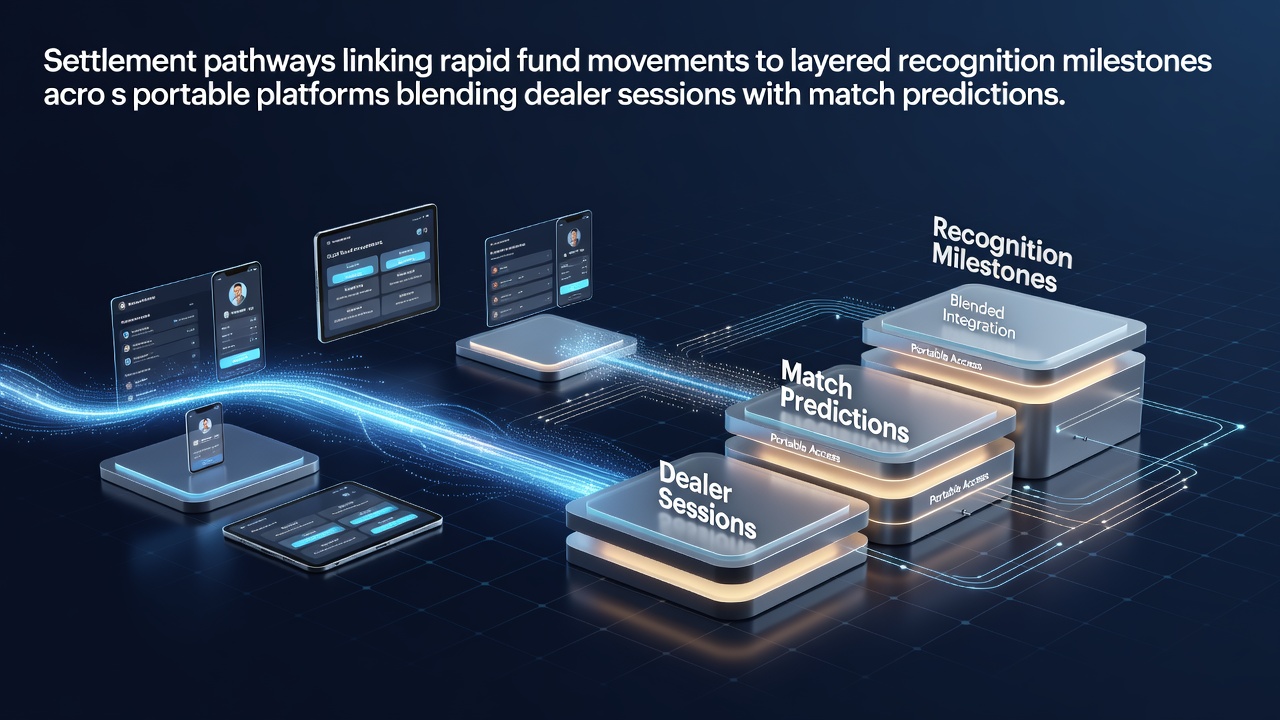
Portable platforms that combine live dealer sessions with match predictions have developed settlement pathways where rapid fund movements connect directly to layered recognition milestones, and these systems process deposits and withdrawals through integrated financial channels that update user status in real time. Data from industry reports indicate that transaction speeds averaging under 30 seconds allow platforms to trigger tier advancements automatically when certain volume thresholds are met during mixed gameplay sessions.
Platform Architecture and Transaction Flows
Portable applications integrate live dealer interfaces with sports prediction modules through unified account ledgers, so that funds moved into the system during one format immediately influence progress tracking in the other. Observers note that this architecture relies on API connections between payment processors and loyalty databases, which means a completed deposit can adjust recognition levels without requiring separate verification steps. Figures from regulatory filings in multiple jurisdictions show that such linked systems handle thousands of daily transactions while maintaining audit trails for each movement.
Recognition milestones typically include entry-level access to enhanced table limits, followed by mid-tier benefits like priority seating in dealer sessions and higher payout multipliers on prediction outcomes. Higher layers unlock personalized match forecasting tools alongside exclusive dealer game variants, and rapid fund movements serve as the primary driver that advances users through these stages because volume metrics are calculated continuously rather than at fixed intervals.
Integration of Dealer Sessions and Match Predictions
Users on these platforms often shift between live dealer blackjack or roulette and sports match predictions within single sessions, which creates continuous transaction activity that feeds into the same recognition system. Research from gaming analytics firms reveals that average session lengths increase when settlement pathways operate without interruption, allowing participants to maintain momentum across formats. In July 2026 several operators reported updated software versions that synchronized prediction result payouts with dealer game credits in under 15 seconds, reducing the lag that previously separated the two activity types.
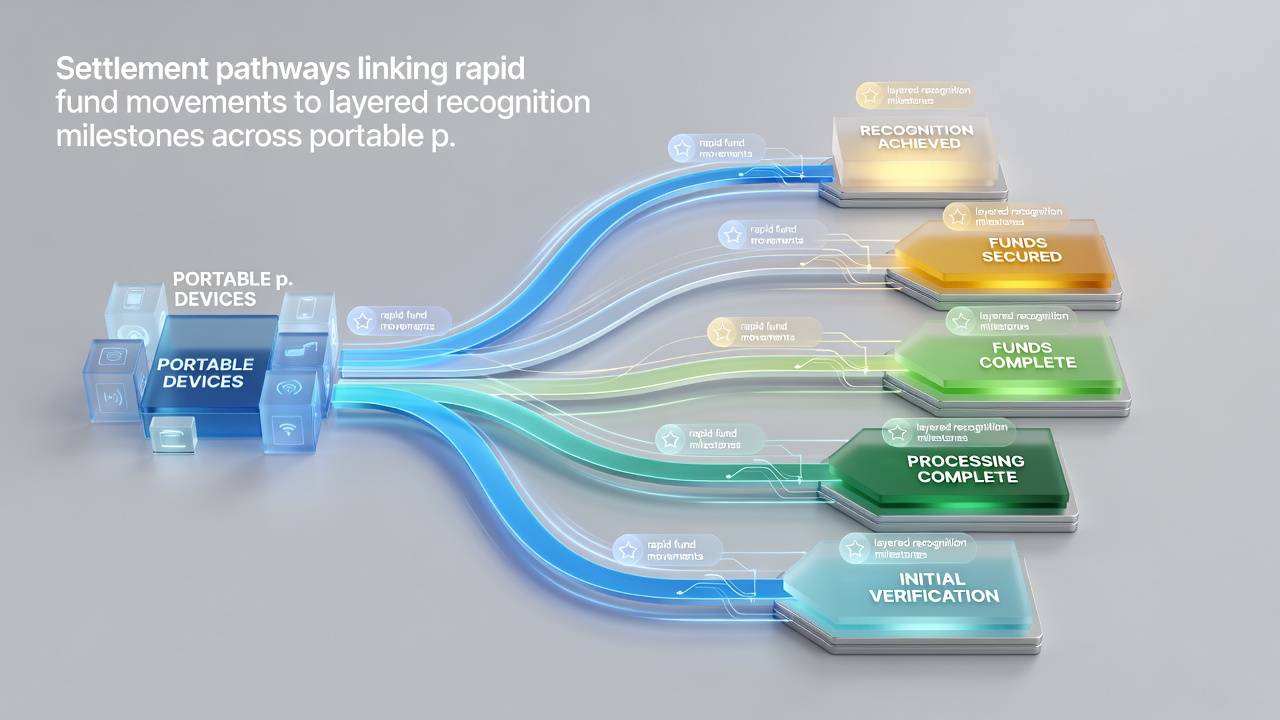
Layered recognition programs track cumulative activity across both dealer sessions and match predictions, so that a series of rapid deposits followed by in-game wagers can push a user from basic status to intermediate rewards within hours rather than days. According to transaction data compiled by state oversight bodies, platforms employing these pathways record higher retention rates when fund movements remain under one minute from initiation to confirmation. This speed allows the recognition system to apply bonuses or status upgrades before the next game round begins.
Regulatory Context and Reporting Standards
Regulatory frameworks in North America and parts of Europe require operators to document how settlement speed correlates with loyalty progression, and compliance reports submitted in 2026 detail the algorithms that map fund velocity to milestone achievements. The National Council on Problem Gambling has published summaries noting that transparent linkage between payments and rewards helps users understand progression criteria. Meanwhile, Canadian provincial regulators have examined similar systems and found that real-time updates reduce disputes over delayed status changes.
Industry associations such as the European Gaming and Betting Association have compiled cross-border comparisons showing that portable platforms using instant settlement pathways achieve consistent milestone delivery rates above 95 percent when transaction volumes stay within defined parameters. These reports emphasize that the blending of dealer sessions with match predictions creates more frequent fund movements, which in turn accelerates the pace at which users encounter new recognition layers.
Technical Mechanisms Supporting Milestone Advancement
Backend systems employ event-driven triggers that monitor wallet balances and wager histories simultaneously, so a withdrawal processed through the same channel that received a recent deposit can reset or maintain current tier status depending on net activity. Observers have documented cases where users completing a sequence of live dealer bets followed by successful match predictions receive immediate tier notifications because the settlement pathway registers the combined activity as a single qualifying event.
Security protocols around these pathways include multi-factor authentication for larger movements, yet the design keeps processing times short enough that recognition milestones remain responsive. Data aggregated across multiple operators indicates that the average time from transaction completion to milestone update has decreased steadily through 2026, reflecting improvements in database synchronization across portable environments.
Conclusion
Settlement pathways that connect rapid fund movements to layered recognition milestones continue to shape how portable platforms manage blended dealer sessions and match predictions. The technical integration of transaction processing with loyalty tracking produces measurable effects on user progression patterns, while regulatory oversight ensures these mechanisms remain documented and auditable. As platforms refine these connections, the relationship between payment velocity and reward advancement remains a central operational feature across the sector.