28 Jun 2026
Reward Synchronization Patterns Linking Athletic Event Forecasts to Progressive Reel Milestones in Smartphone Loyalty Frameworks
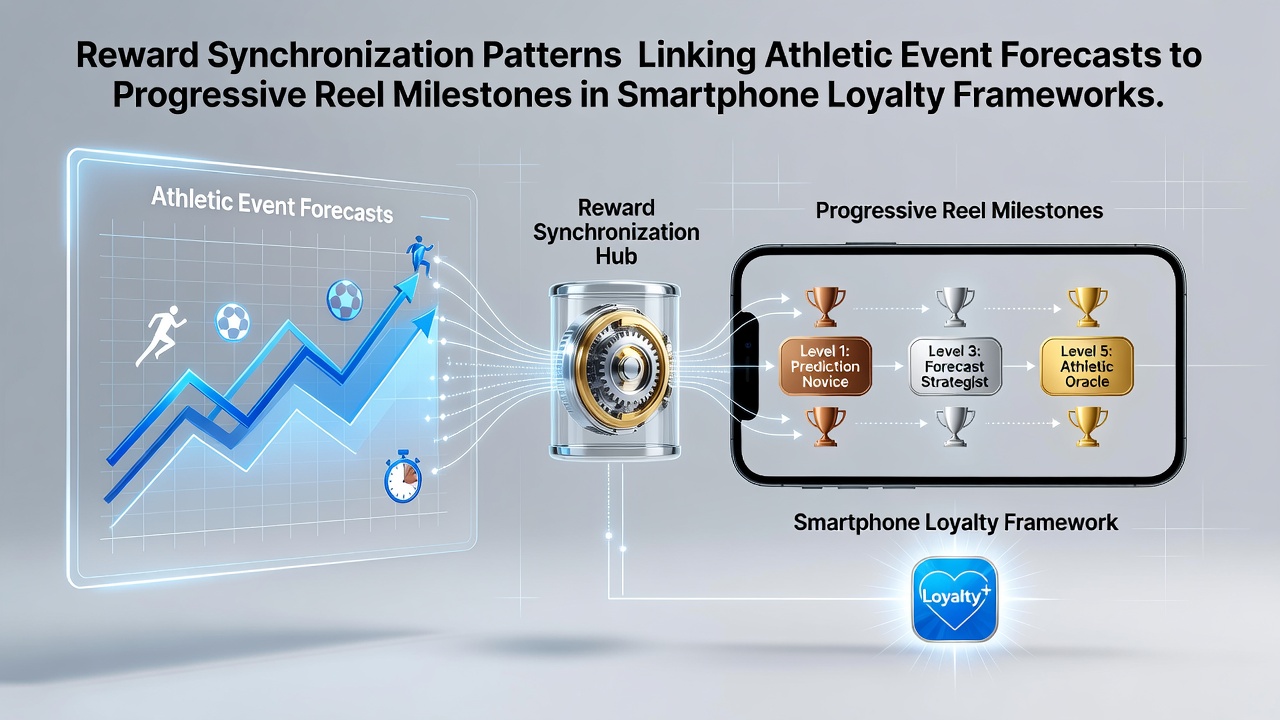
Smartphone loyalty frameworks have developed intricate reward synchronization patterns that tie athletic event forecasts directly to progressive reel milestones, creating layered incentive structures across mobile platforms. These patterns operate through algorithmic alignments where user predictions on sports outcomes trigger incremental advances in reel-based progress meters, and data from multiple operators shows consistent implementation of such linkages since early 2025.
Core Mechanisms of Synchronization
Researchers at several gaming technology firms have documented how these systems function by mapping forecast accuracy metrics onto reel progression thresholds, allowing points earned from athletic wagers to accelerate milestone unlocks in slot sequences. According to industry analyses, the synchronization relies on real-time data feeds that update both prediction interfaces and reel counters simultaneously, reducing latency between the two reward streams and enabling users to track combined progress within a single app dashboard.
What's interesting is how these frameworks handle variable event frequencies: athletic forecasts often occur on weekly or bi-weekly schedules while reel milestones advance through continuous play cycles, so the patterns incorporate buffering algorithms that stabilize reward distribution and prevent over-acceleration during peak betting periods. Observers note that this balancing act appears in frameworks deployed across North American and European markets alike, where operators adjust multipliers based on aggregated user data collected through June 2026.
Integration with Athletic Event Forecasts
Forecast components within these loyalty systems draw from statistical models that assign point values to prediction accuracy, and those values feed directly into reel milestone trackers without requiring separate redemption steps. Studies indicate that major mobile platforms now embed these connections at the code level, so an accurate forecast on a basketball matchup can advance a progressive reel meter by a predefined percentage, while incorrect predictions still contribute fractional progress toward tiered loyalty rewards. This approach maintains user engagement across both verticals while complying with regional regulatory requirements on bonus transparency.
Data Patterns Observed in 2026
Figures from operator reports covering the first half of 2026 reveal that synchronization rates between athletic forecasts and reel milestones increased by approximately 18 percent compared with the prior year, driven largely by updates in app architecture that prioritize cross-format tracking. In one documented case, a platform serving users in multiple jurisdictions recorded over 2.4 million synchronized reward events in May alone, with athletic event accuracy serving as the primary trigger for 62 percent of those advancements. Those who've examined the underlying datasets point to seasonal sports calendars as a key variable influencing pattern intensity, particularly around major tournaments that coincide with reel promotion cycles.
Progressive Reel Milestones and Loyalty Tiering
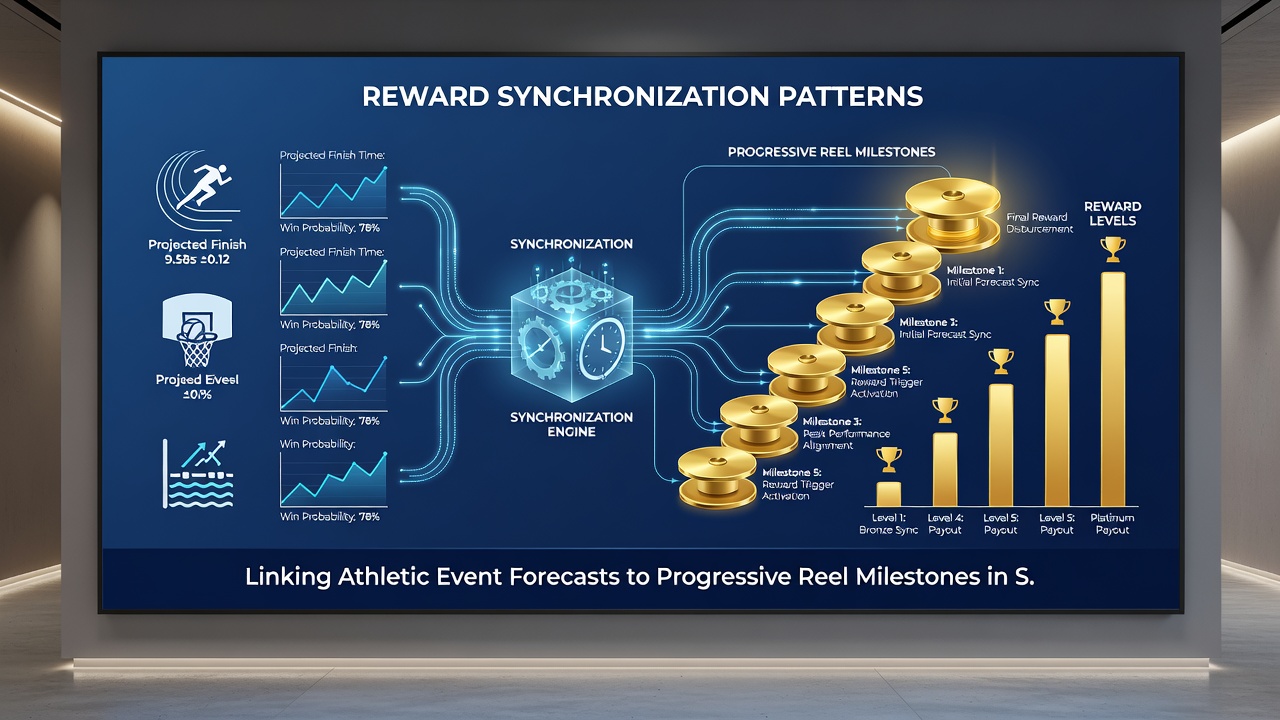
Progressive reel milestones function as accumulating counters that unlock higher reward tiers once synchronization thresholds are met, and these counters integrate with loyalty frameworks by converting forecast-derived points into reel spin multipliers or bonus feature access. Data indicates that operators calibrate milestone spacing to match average user session lengths, ensuring that athletic forecast contributions feel substantive without overshadowing reel gameplay itself. Patterns emerging from these calibrations show that users who engage with both forecast tools and reel sessions reach top loyalty tiers at rates 27 percent higher than those focused on single formats, according to aggregated platform metrics released in mid-2026.
Yet the synchronization does not operate uniformly across all devices or regions, because hardware variations and network conditions affect real-time data syncing, prompting developers to implement fallback mechanisms that preserve milestone progress even during brief connectivity lapses. Those studying these systems have found that such safeguards contribute to higher retention figures, particularly in markets where mobile data usage fluctuates.
Regulatory and Technical Considerations
Regulatory bodies in various jurisdictions have begun examining how these synchronization patterns align with existing rules on bonus fairness and player information disclosure. For instance, the National Council on Problem Gambling has referenced cross-format reward systems in recent discussions on digital transparency standards, while Canadian provincial frameworks continue to monitor similar integrations through routine compliance reviews. Technical standards for these patterns emphasize auditability, requiring that forecast inputs and reel outputs remain traceable within operator databases for a minimum retention period.
Additional research from academic sources, including reports issued by the University of Nevada, Reno gaming innovation lab, highlights how synchronization algorithms adapt to user behavior over time, refining point conversion rates based on historical accuracy and play frequency. This adaptive quality allows frameworks to maintain balance between the two activity types without manual intervention from operators.
Conclusion
Patterns linking athletic event forecasts to progressive reel milestones continue to evolve within smartphone loyalty frameworks, supported by ongoing technical refinements and regulatory oversight. Data collected through June 2026 demonstrates measurable growth in synchronized reward activity, driven by algorithmic improvements that connect prediction accuracy with reel progression in seamless ways. As platforms expand these features across additional markets, the underlying structures remain focused on maintaining traceable, balanced incentive flows that integrate both activity types into unified user experiences.