25 Aug 2026
Progressive Jackpot Mechanics Shaping Retention Strategies in Multi-Format Mobile Wagering Applications
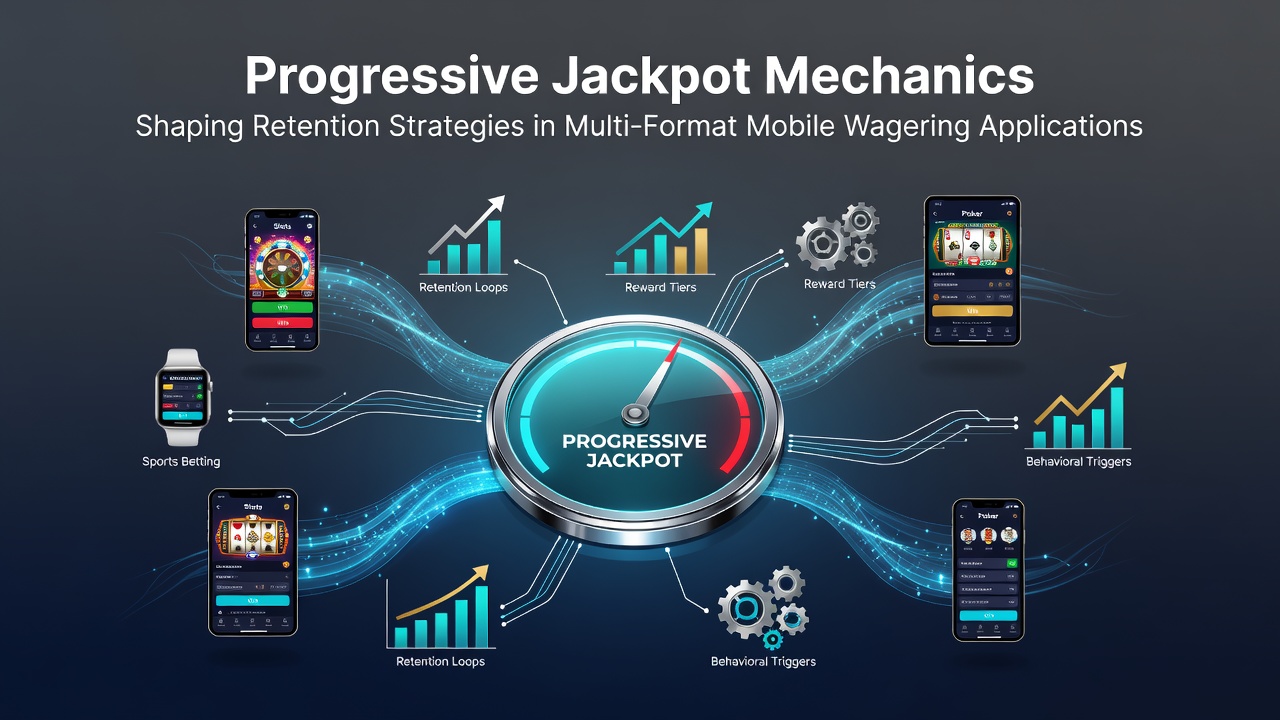
Progressive jackpot systems in multi-format mobile wagering applications pool a percentage of each wager from slots, sports betting markets, and live dealer games into shared prize pools that grow until specific trigger conditions activate payouts, and operators use these escalating totals to maintain user activity through targeted notifications and cross-format incentives. Data from industry tracking services shows contribution rates typically range between 1% and 5% per bet depending on the game category, while seed amounts reset after each win to sustain momentum across daily and weekly cycles.
Core Mechanics Across Game Formats
Operators configure progressive pools to accept inputs from reel-based machines as well as accumulator bets on athletic events and side wagers in real-time dealer sessions, which creates interconnected growth patterns where activity in one format directly influences prize visibility in others. Research indicates that shared-pool designs increase average session duration because players monitor total increments regardless of their primary game preference, and algorithms adjust contribution weights to balance faster growth in high-volume sports markets with steadier accumulation from slot play. Those who analyze transaction logs note that jackpot triggers often combine random number generators with bet-size multipliers, producing win frequencies that operators publish monthly to demonstrate transparency.
Retention Through Notification and Incentive Layers
Mobile applications send push alerts when progressive totals cross defined thresholds, and these messages frequently include personalized progress bars that link back to multiple game types within the same app environment. Figures from platform analytics providers reveal that users who receive threshold-based notifications return within 24 hours at rates 18% higher than those without alerts, while tiered loyalty programs award bonus spins or free bets proportional to contributions made toward the main pool. In August 2026 several operators expanded these systems to include live event tie-ins, where a major sports outcome could accelerate jackpot growth for participants who placed related wagers earlier in the day.
Cross-Format Integration Patterns
Multi-format applications synchronize jackpot displays so that a user switching from a live roulette table to an NBA futures bet sees the same pool value updating in real time, and backend systems record cumulative contributions across all verticals to determine eligibility for secondary prize drawings. Observers note that this synchronization reduces format-switching friction because players perceive value accumulation as continuous rather than segmented, and operators report that integrated leaderboards listing top contributors from mixed game types further extend engagement windows. Studies conducted by academic research groups have documented that applications employing unified progressive displays achieve 12% to 15% improvements in 30-day retention metrics compared with single-format platforms.
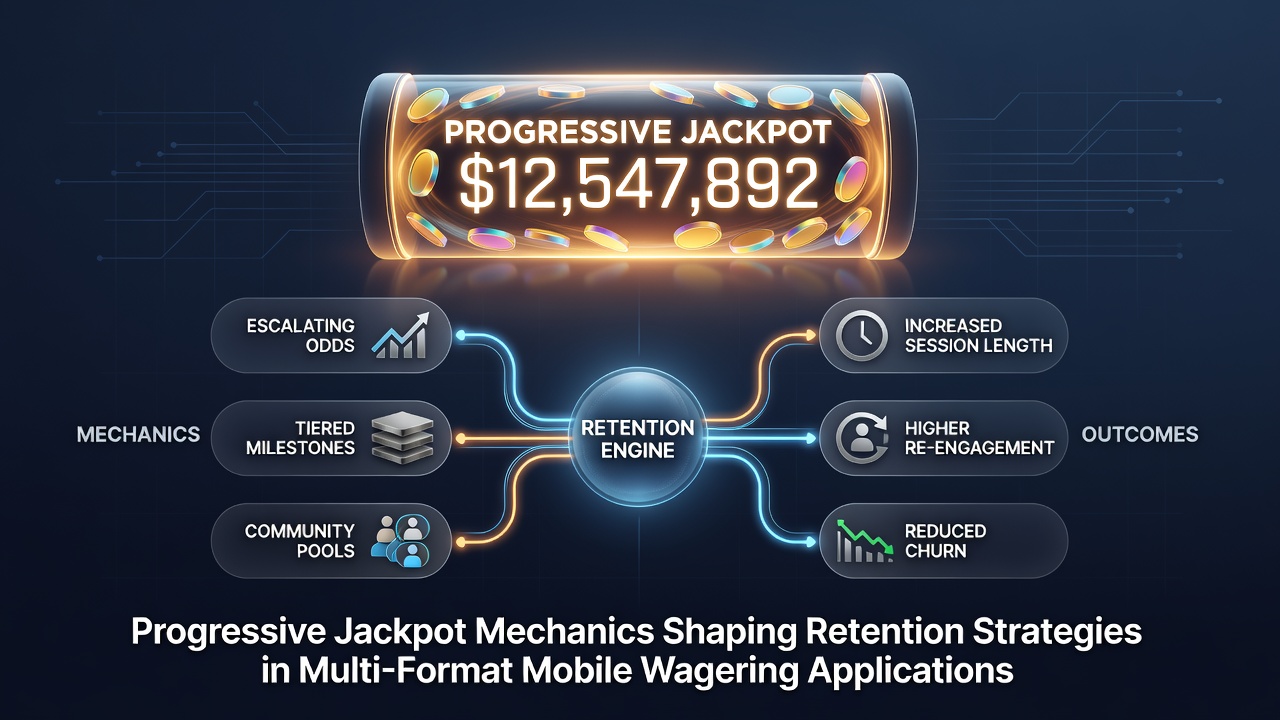
Payment flexibility plays a supporting role because instant deposit options allow users to add funds quickly when a jackpot nears a publicized milestone, and withdrawal processing speeds influence whether winners remain active after claiming prizes. Data compiled by regional gaming authorities shows that markets with same-day payout capabilities experience lower post-win churn rates, and operators in those jurisdictions often pair progressive mechanics with loyalty multipliers that scale based on total contributions across formats.
Regulatory and Reporting Context
Regulatory bodies in multiple jurisdictions require operators to publish jackpot contribution percentages and trigger rules, which creates standardized disclosure practices that build user trust in the fairness of pool mechanics. According to reports issued by the Victorian Responsible Gambling Foundation, transparent communication of these parameters correlates with sustained participation levels across mobile channels. Separate analyses from the National Council on Problem Gambling in the United States indicate that clear rules around pool resets and minimum bet requirements help users make informed decisions about continued play.
Conclusion
Progressive jackpot structures continue to serve as central components in retention frameworks for multi-format mobile wagering applications because they link activity across slots, sports, and live dealer environments into single visible prize trajectories. Operators maintain these systems through adjustable contribution rates, synchronized notifications, and loyalty overlays that reward cumulative participation. Available data from regulatory and research sources demonstrates measurable effects on session length and return frequency, while ongoing platform updates in 2026 reflect continued refinement of these mechanics to match evolving user behavior across integrated betting formats.