28 May 2026
Intersections of Mobile Interfaces and Tiered Incentive Systems Across Varied Wagering Formats
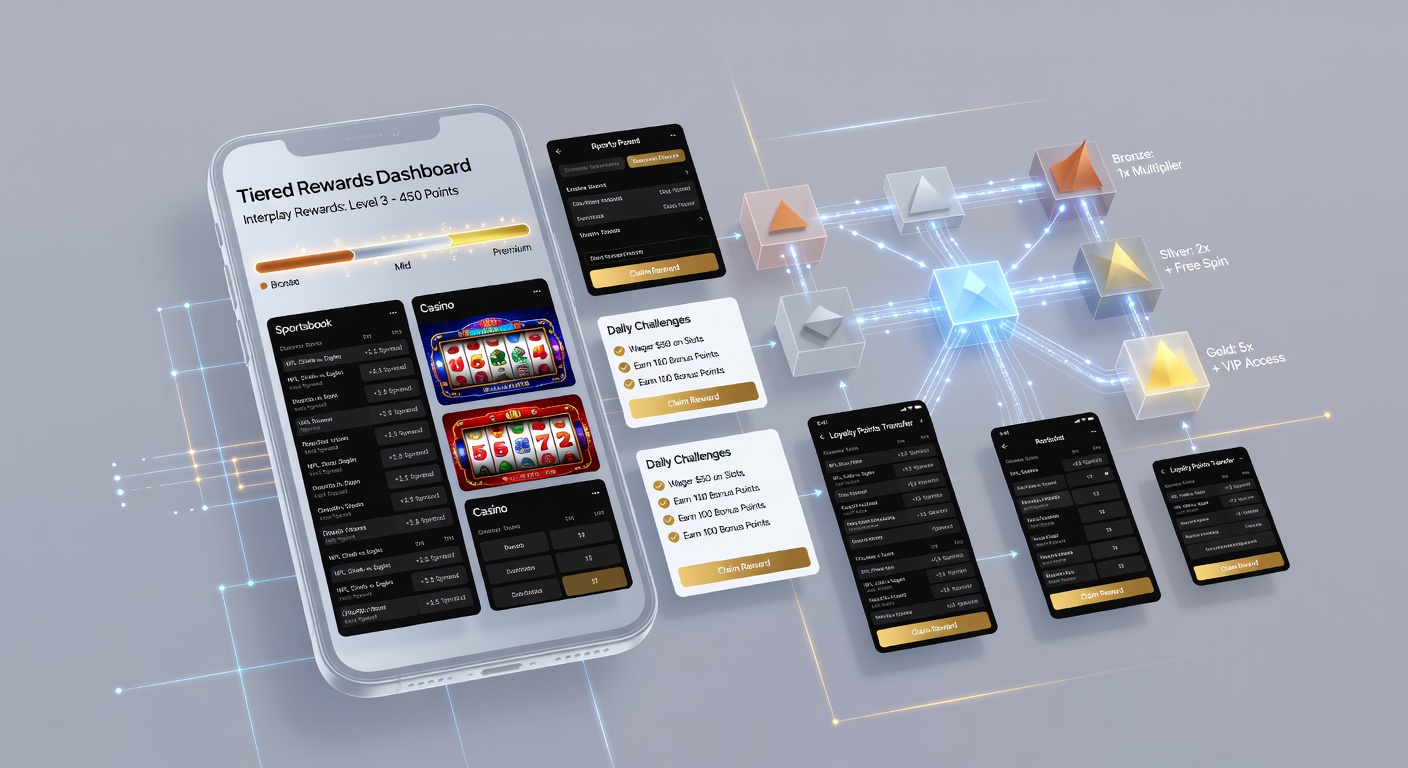
Observers note that mobile interfaces have become central to how tiered incentive systems operate within wagering environments because these platforms track player activity in real time and adjust rewards accordingly. Data from industry reports shows that operators integrate progress bars, push notifications, and personalized dashboards to display tier status while users switch between slots, sports bets, and live tables on the same device. Such seamless connections allow participants to accumulate points toward higher levels without leaving the application, and this integration spans multiple wagering formats that include fixed-odds betting, progressive jackpots, and accumulator wagers.
Mobile Design Elements Supporting Tier Progression
Developers build navigation flows that highlight upcoming rewards based on current tier placement, and these elements connect directly to backend systems that calculate play volume across different game types. Research indicates that color-coded status indicators and swipe-accessible menus help users monitor their advancement while placing bets on athletic events or spinning reels, whereas older desktop versions required separate logins for each category. Those who've examined platform updates point out that gesture-based controls reduce friction when claiming tier benefits such as bonus spins or enhanced odds, which in turn encourages continued engagement across varied formats during a single session.
Studies from regulatory bodies in North America reveal that mobile applications now log activity from both casual and high-volume players with equal precision, and this data feeds into algorithms that recalibrate incentive offers hourly. One analysis of Canadian provincial gaming data found that players accessing tier information through in-app widgets completed more cross-format sessions than those using web portals alone, because the interface presents unified point totals regardless of whether the activity involves virtual sports or card tables.
Cross-Format Reward Mechanics in Practice
Tier systems assign points differently depending on the wagering format yet maintain a single overarching ladder that mobile interfaces display without requiring manual conversion. For instance, sports bettors might earn base points on straight wagers while slot players receive multipliers during promotional windows, and the application aggregates both streams into the same loyalty meter. Figures released by the American Gaming Association show that this unified tracking contributed to measurable increases in multi-game participation during the first quarter of 2026, with May data indicating further stabilization as operators refined notification timing to avoid overlap with live event peaks.
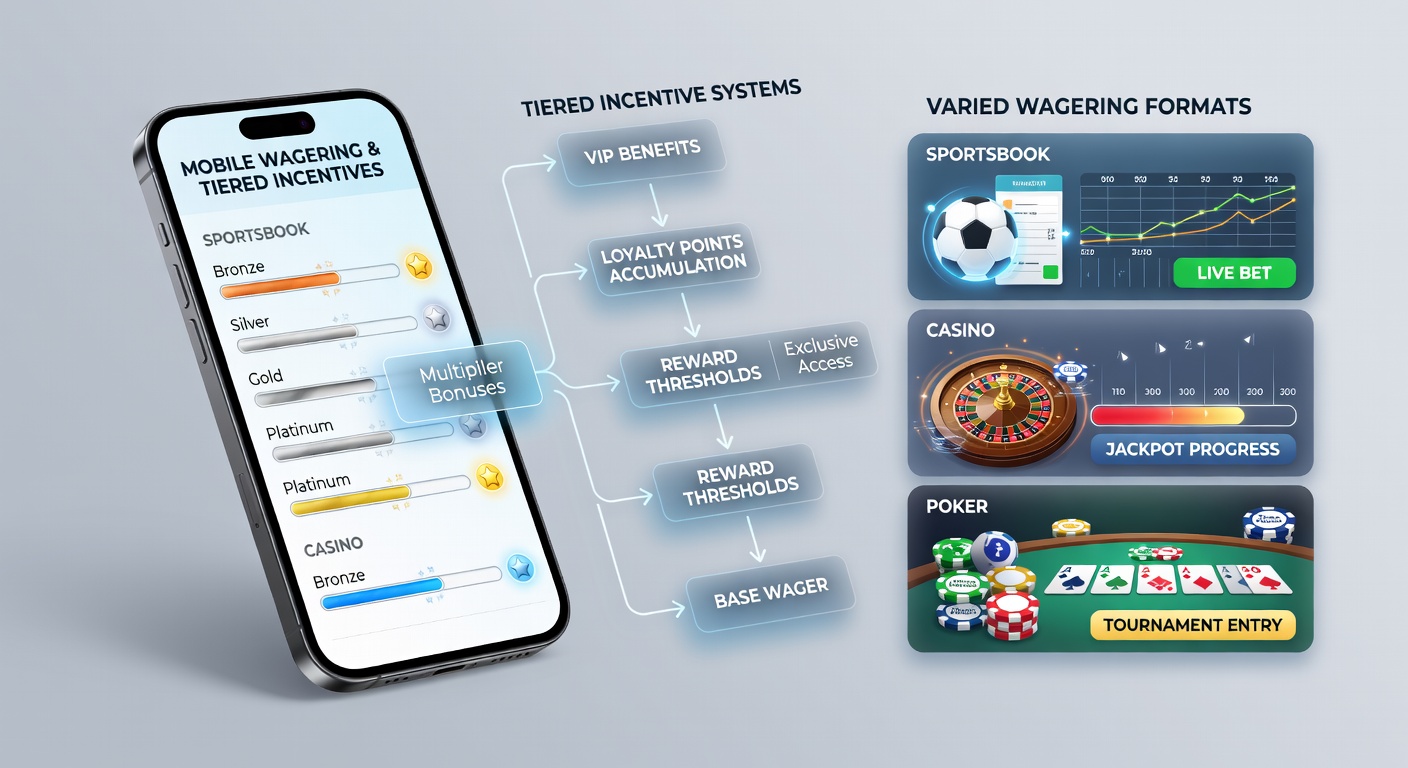
What's interesting is how these interfaces surface exclusive tier perks at the moment of bet placement, such as reduced house edges on table games or boosted payouts on accumulators, all calculated from the player's verified level. Operators in European markets outside the United Kingdom, including those regulated under Malta Gaming Authority frameworks, have documented similar patterns where mobile users who receive instant tier-upgrade alerts demonstrate higher retention rates across sports and casino verticals combined. Academic reviews from institutions such as the University of Sydney's gambling research unit have examined these mechanics and confirmed that transparent point displays within the app correlate with clearer player understanding of how different formats contribute to overall status.
Technical Integration Across Platforms
Backend synchronization ensures that tier data remains consistent whether a user opens the application on a smartphone during a commute or continues the session later on a tablet at home, and this continuity supports formats that range from quick-play scratch cards to extended live dealer sequences. Security protocols embedded in the mobile layer verify identity before unlocking higher-tier features, which regulatory reports from Australian state authorities indicate helps maintain compliance when rewards involve monetary equivalents or free bet credits. Those monitoring industry shifts note that API connections between game providers and loyalty engines have grown more robust since early 2025, enabling real-time updates that reflect activity across slots, fixed-odds sports markets, and even niche offerings such as virtual horse racing.
Operators continue to test variations in how mobile interfaces present tier milestones, including expandable menus that list benefits available in each wagering category and comparative charts showing point earnings per format. Data compiled through 2026 demonstrates that such visual tools appear most frequently in regions with established mobile gaming penetration, where players routinely alternate between low-stakes entertainment and higher-risk propositions within the same application.
Conclusion
The intersections described above rest on measurable platform capabilities and documented player behavior patterns rather than isolated features. Mobile interfaces serve as the primary conduit for tiered incentive delivery across slots, sports, and table formats because they consolidate tracking, notification, and redemption into one accessible environment. Continued refinement of these systems, supported by regulatory oversight in multiple jurisdictions, maintains the operational links between interface design and reward structures as wagering options diversify further.