17 May 2026
How Quick-Funding Channels Fuel Layered Reward Builds in Portable Multi-Game Sessions
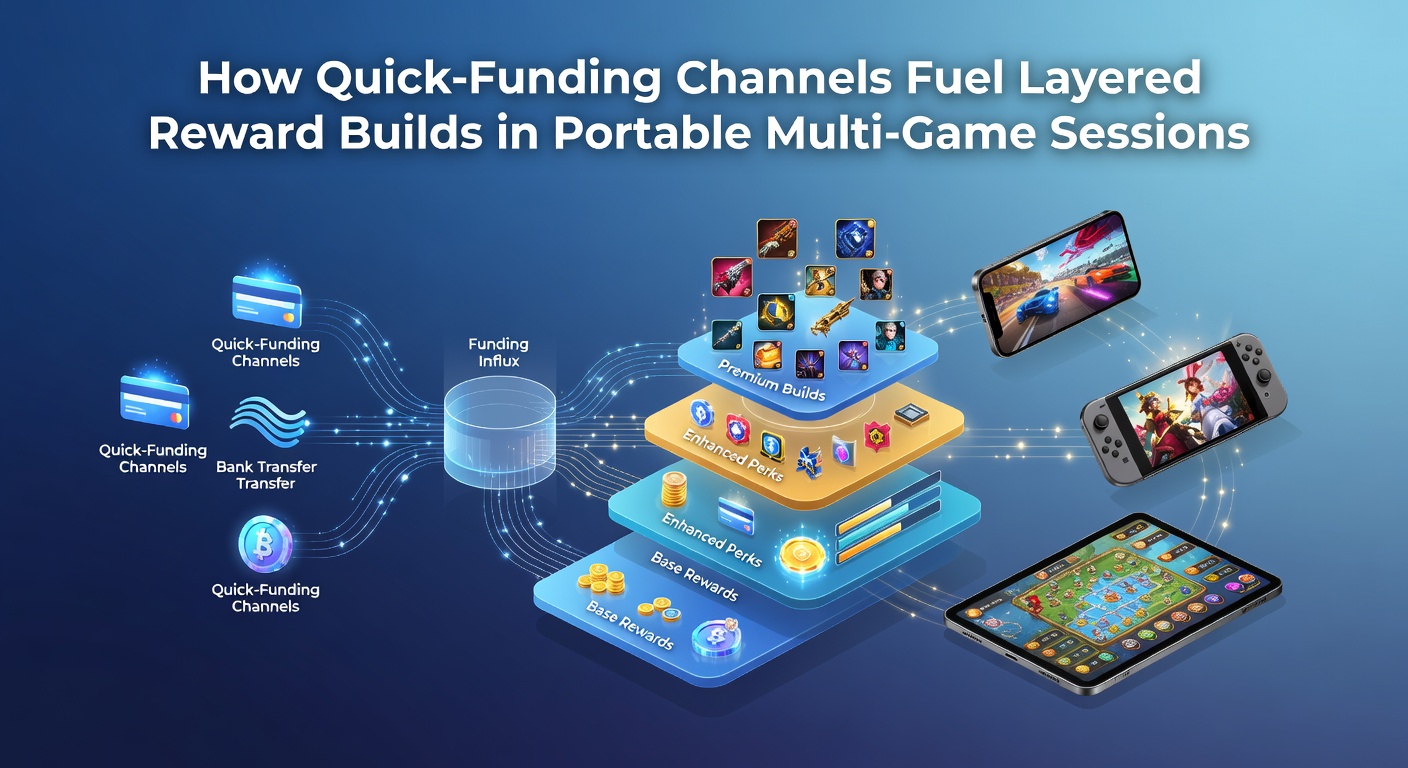
Portable multi-game sessions have grown into a dominant format for digital entertainment, and quick-funding channels sit at the center of how participants extend their play across slots, table games, and live dealer options without interruption. In May 2026 industry figures show that instant deposit methods now support more than 70 percent of all mobile wagering activity, allowing users to move capital between different titles while accumulating points, levels, and bonus tiers in a single continuous window.
Mechanics Behind Instant Funding Options
Quick-funding channels operate through integrated payment rails that clear transactions in seconds rather than minutes or hours. These include digital wallets tied directly to banking apps, near-field communication tools on smartphones, and tokenized card systems that bypass traditional authorization queues. Observers note that each successful deposit triggers an immediate update to the player's session balance, which in turn feeds directly into reward-tracking software running across multiple game servers at once. Research from payment technology providers indicates that average transaction times dropped below four seconds in early 2026, a change that eliminated the previous friction of switching between separate game lobbies.
Layered Reward Structures in Action
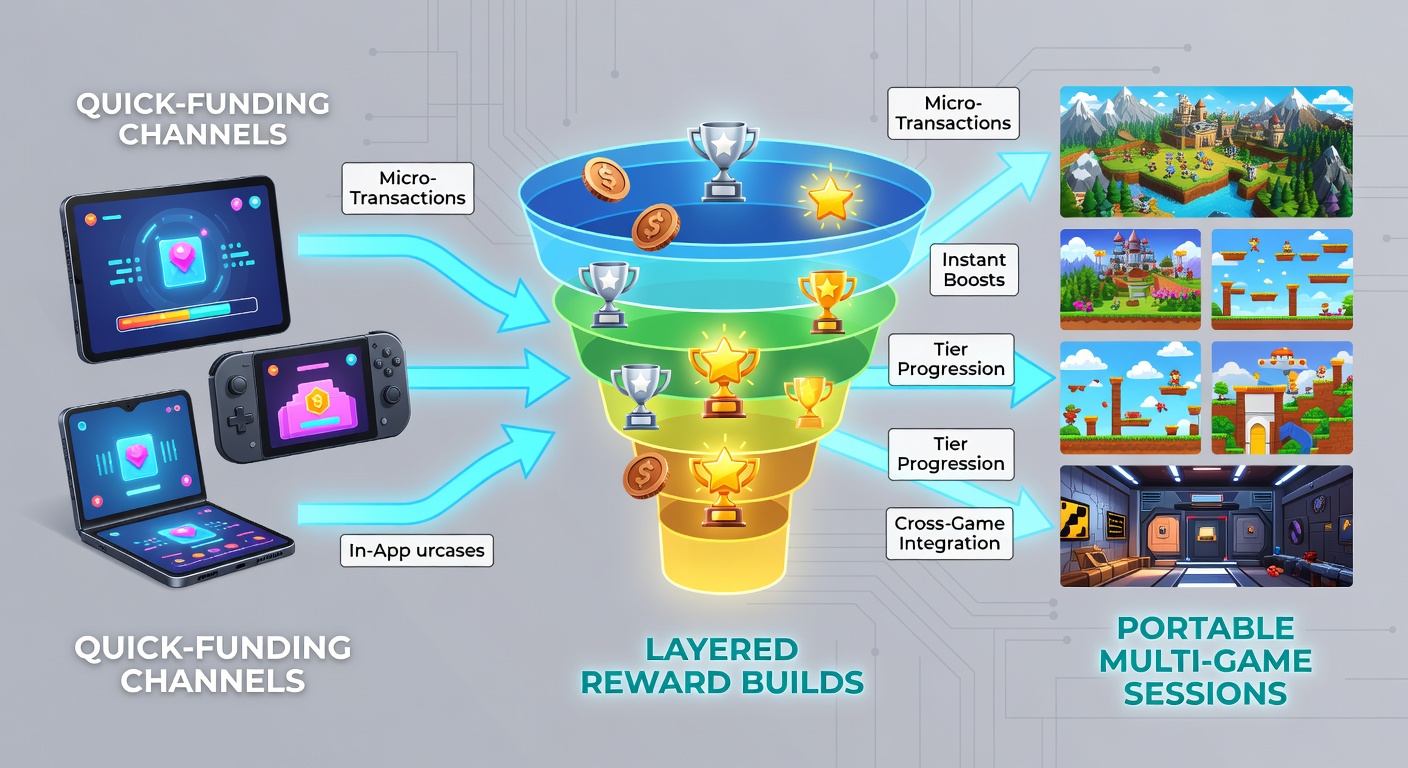
Reward builds in portable environments rely on real-time data streams that record every wager, win, and time-stamped action. When funding arrives without delay, players can chain bets across different categories—video slots feeding into progressive jackpots, then moving to blackjack tables that contribute to a separate loyalty multiplier. Data shows these layered systems often combine base points with tiered bonuses that unlock only after a minimum number of games have been completed within a set period. The absence of funding delays keeps the sequence intact, so participants reach higher reward brackets faster than they could under slower payment conditions.
Portable Platforms and Cross-Game Continuity
Mobile applications now maintain persistent session states that survive game switches and brief background pauses. Quick-funding supports this continuity because the underlying ledger updates occur server-side within the same authentication token used for gameplay. Experts tracking user behavior report that sessions lasting longer than forty-five minutes frequently involve at least three distinct game types, with deposit events occurring two to three times on average. This pattern emerges because players adjust their stake sizes or chase different bonus features without leaving the application.
Regional Data and Payment Trends in 2026
Figures released by the American Gaming Association highlight that U.S. mobile gaming revenue reached record levels during the first quarter of 2026, driven in part by the adoption of instant funding tools. Similar patterns appear in other markets where regulatory frameworks permit rapid transaction processing. Those who monitor cross-border activity point out that operators in multiple jurisdictions now synchronize reward ledgers so that progress earned on one device carries over when a user logs in from another location, provided the funding channel remains active and verified.
Security and Compliance Elements
Regulatory bodies such as the Nevada Gaming Control Board require that every instant deposit carry full audit trails, yet these checks complete without adding noticeable latency to the player experience. Encryption protocols and device-level authentication run in parallel with transaction approval, so the speed of funding does not compromise verification standards. Industry reports compiled by the Interactive Games and Entertainment Association confirm that compliance overhead has decreased even as transaction volumes have risen, largely because automated systems handle the majority of routine checks before funds reach the game servers.
Examples of Multi-Game Reward Pathways
One documented pattern involves starting with a low-volatility slot title that contributes steady points toward a daily challenge, then shifting to a live dealer table once the balance has increased through an instant top-up. Another pathway sees users allocate fresh deposits across progressive jackpot games while simultaneously completing a separate accumulator for table-game cashback. In both cases the quick-funding step removes the need to pause and wait for external transfers, preserving momentum and allowing the reward engine to register consecutive actions as part of a unified session.
Conclusion
Quick-funding channels have become integral to the way layered reward systems function inside portable multi-game environments. By shortening the interval between deposit and playable balance, these methods let participants maintain continuous progress across varied titles while meeting the activity thresholds that unlock successive bonus layers. Current data from May 2026 underscores the scale of this integration, with transaction speed directly correlating to longer session durations and higher cumulative reward accumulation. As platforms continue to refine their backend connections, the relationship between instant funding and multi-game reward builds is expected to deepen further.