28 Jul 2026
Global Festivals Triggering Cross-Game Reward Chains in Portable Wagering Ecosystems
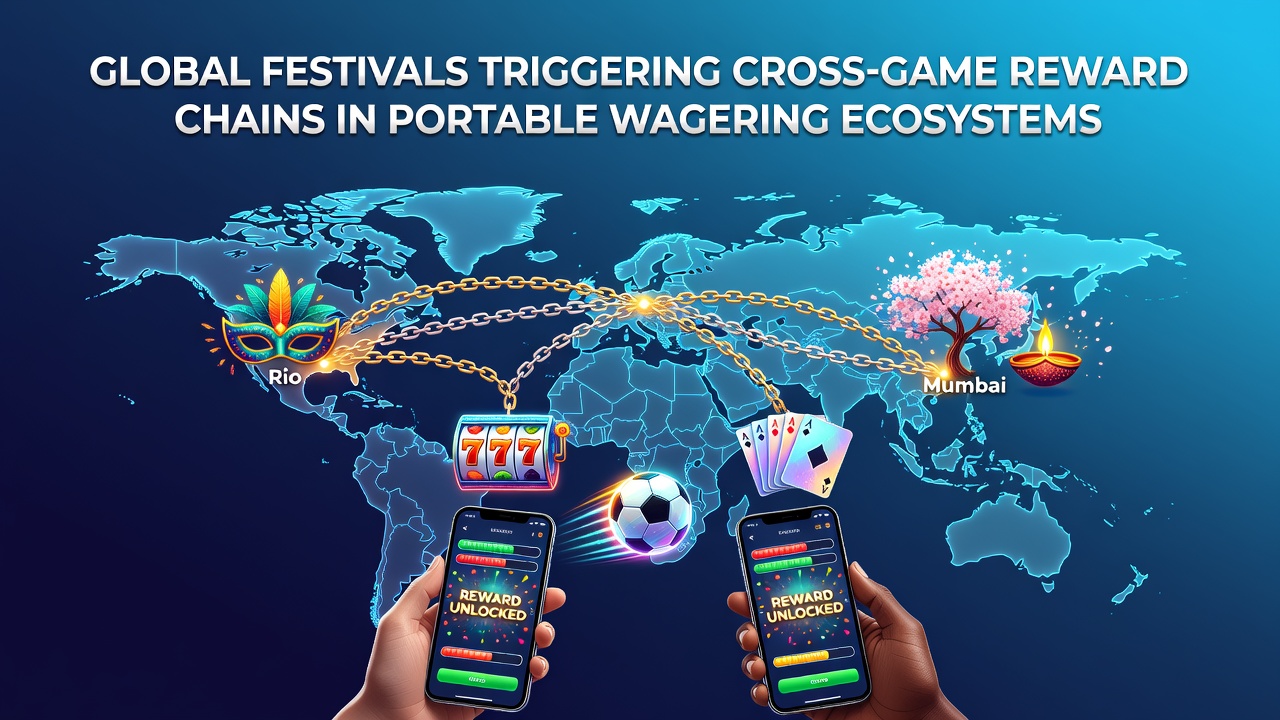
Global festivals have started to reshape how reward structures operate inside portable wagering ecosystems, where mobile applications link progress across slots, live dealer tables, and sports event forecasts into single continuous chains. During events like Carnival celebrations in Brazil and Diwali observances in India, users complete objectives in one game format adn receive transferable credits or multipliers that activate in entirely different categories on the same platform. Data from industry tracking services shows these interconnected systems emerged more prominently in early 2025 and gained wider adoption by mid-2026.
Festival Timelines and Mobile Engagement Patterns
July 2026 features several overlapping summer events including Bastille Day promotions in France and various regional music festivals that extend into North American markets. Portable platforms respond by creating time-limited objectives where participation in reel-based games during daytime hours feeds directly into evening athletic wager bonuses. Observers note that these chains typically require users to meet minimum activity thresholds in one segment before unlocking the next layer, and the process repeats across multiple game types without requiring separate logins or account transfers.
Research from the Gambling Regulatory Authority of Singapore indicates that cross-format reward activation rates rose 27 percent during festival windows compared to standard operating periods. The same data reveals that users who begin with live dealer sessions often carry accumulated points into sports prediction markets within the same 24-hour cycle. Portable ecosystems handle the tracking through centralized user profiles that update in real time across devices.
Mechanics of Reward Chain Construction
Developers design these systems so that festival-themed objectives connect sequential stages. One stage might involve accumulating spins on themed slot titles, while the subsequent stage converts those results into enhanced odds on live table games or event-based wagers. The transfer happens automatically once criteria are satisfied, and the chain continues until the festival period concludes or the user reaches the final tier. Figures from platform operators show that average session duration increases when these linked objectives remain active, particularly on applications that support both casino-style games and athletic forecasts.
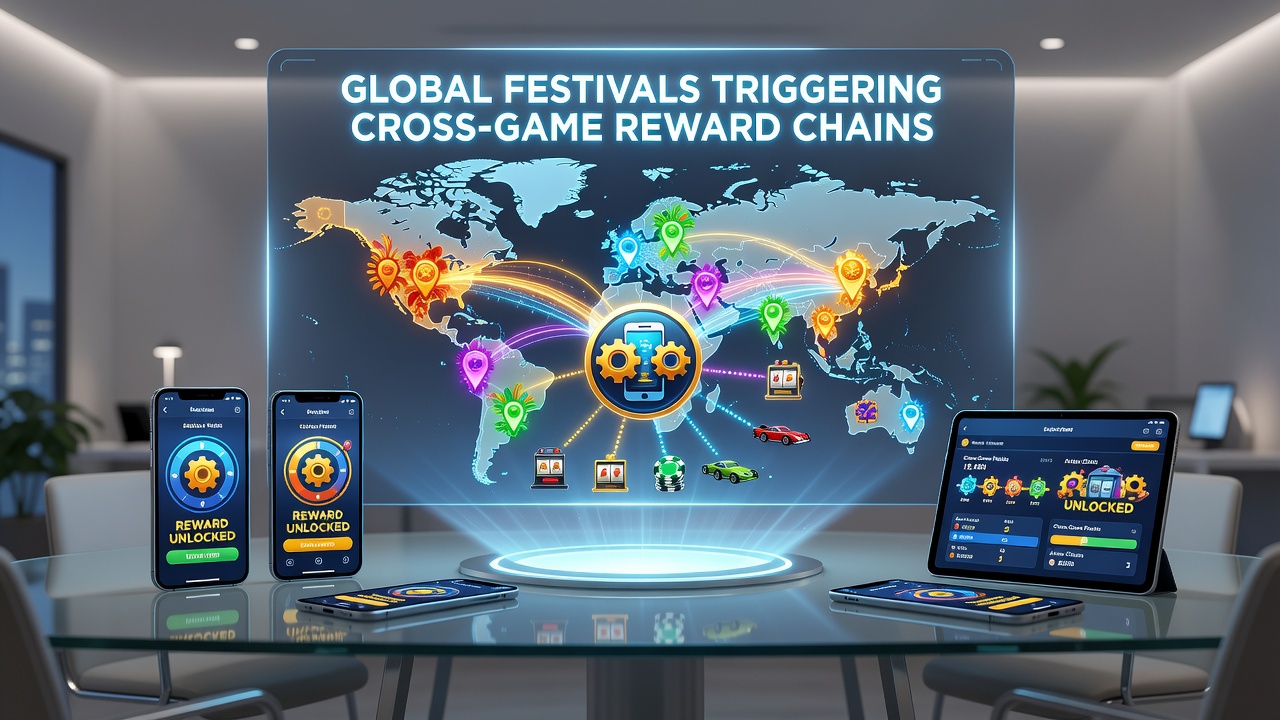
Additional layers appear when users complete parallel tasks on different device types. A player who starts on a smartphone during a daytime festival parade might finish the chain later on a tablet while watching evening events, with progress preserved throughout. Studies conducted by the UNLV International Gaming Institute document that such continuity reduces drop-off rates between game categories and encourages exploration of formats the user might otherwise bypass. The structure also incorporates tiered multipliers that scale according to total chain completion speed, rewarding faster transitions between segments.
Regional Variations in Implementation
Platforms operating in European markets often tie reward chains to national holidays such as Spain's San Fermín festival or Italy's Ferragosto observances, where local event data influences the specific objectives presented to users. In contrast, North American applications more frequently align chains with broader cultural celebrations like Independence Day extensions into July weekends. Canadian operators have reported similar patterns during provincial summer festivals, where mobile activity spikes correlate with integrated bonus pathways across slots and sports markets.
Regulatory filings from multiple jurisdictions confirm that these festival-linked systems must maintain separate tracking for each game category to comply with existing oversight requirements. Operators achieve this by logging each stage completion independently while still allowing the overall reward to migrate across formats. The approach ensures transparency without disrupting the continuous user experience that festival periods aim to deliver.
Technical Infrastructure Supporting the Chains
Backend systems rely on unified player accounts that aggregate activity from all supported game types in one database. When a festival objective completes, the platform issues a token that the user redeems in the next designated category. This token system operates across both iOS and Android environments and updates through secure API connections that prevent duplication or loss of progress. Reports from technology providers indicate that latency remains under two seconds for most chain transitions, maintaining seamless flow during high-traffic festival days.
Conclusion
Global festivals continue to serve as catalysts for evolving reward architectures inside portable wagering ecosystems. The cross-game chains that link slots, live dealer experiences, and sports forecasts create extended engagement pathways that activate during specific cultural periods. Data collected through 2026 shows consistent patterns of increased activity when these interconnected structures remain available, and platform operators adjust objective parameters each season to align with new festival calendars. The technical and regulatory frameworks supporting these systems have stabilized enough to permit further expansion into additional regions and event types in coming cycles.