13 Aug 2026
Adaptive Funding Pathways and Their Role in Accelerating Loyalty Tiers Across Mobile Slot Progressions and Live Sports Accumulators
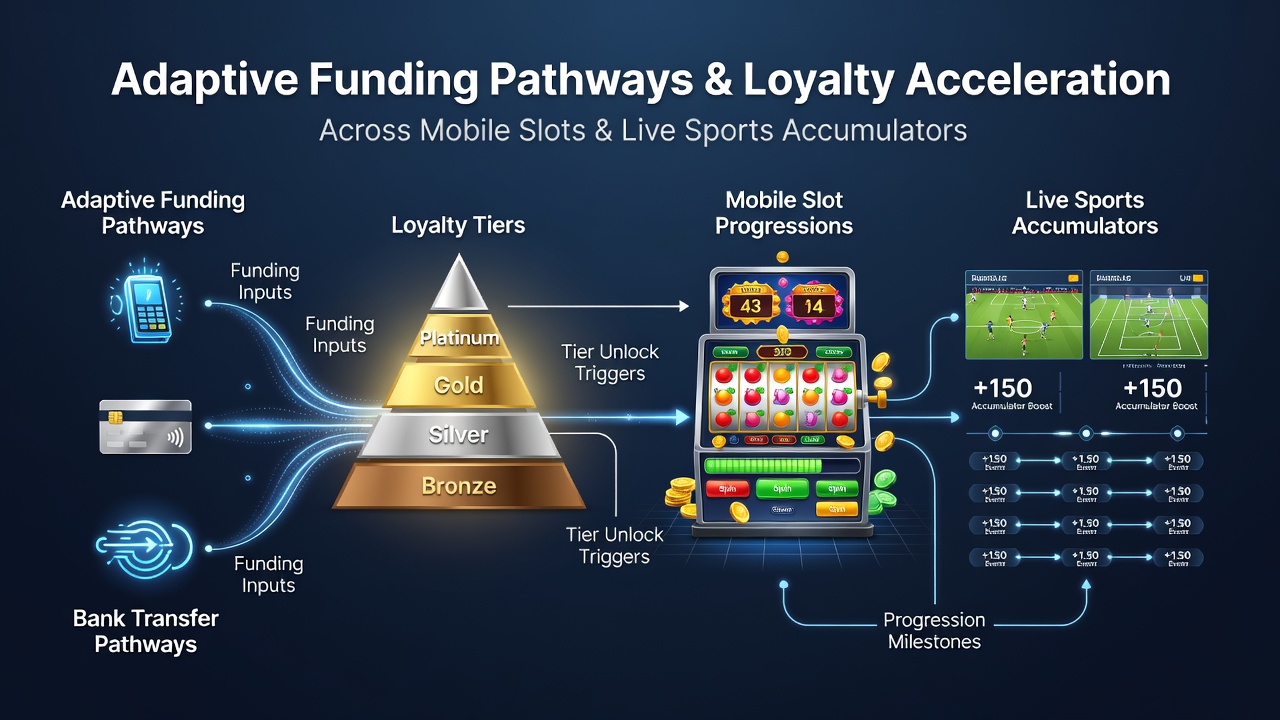
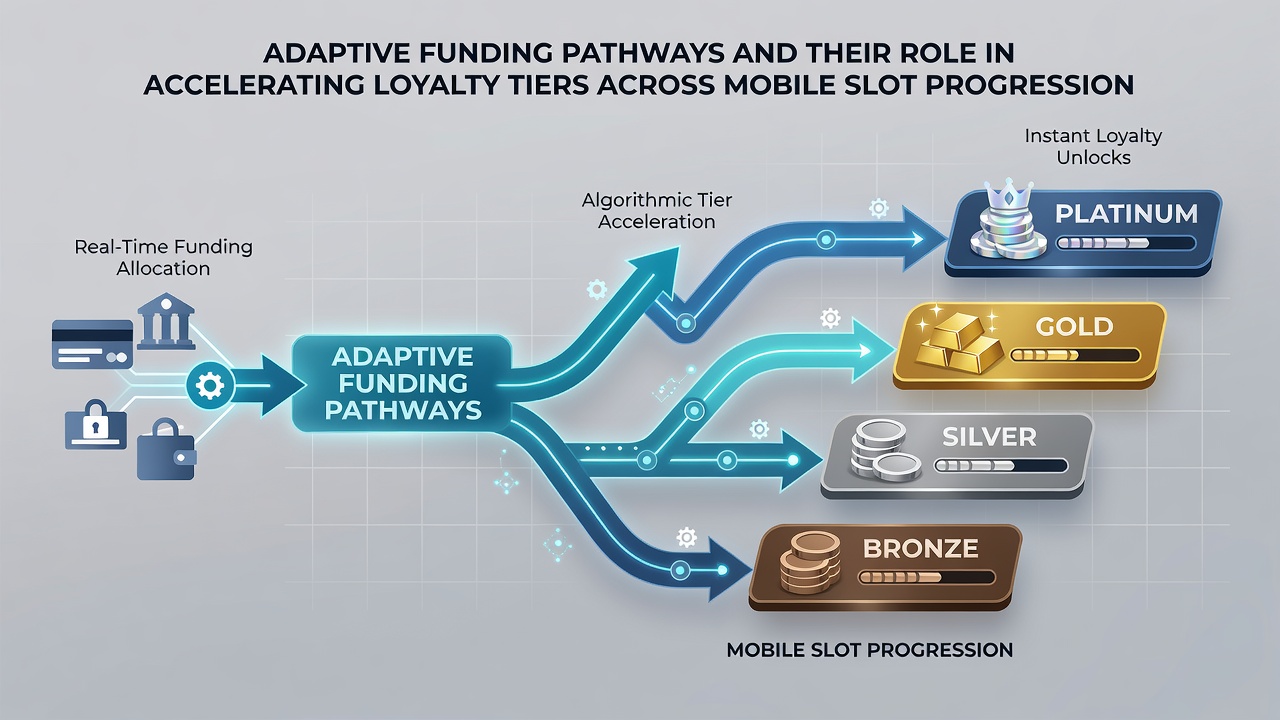
Adaptive funding pathways refer to flexible transaction systems that allow users to move money into gaming accounts through instant bank transfers, digital wallets, and other streamlined methods while mobile slot progressions and live sports accumulators operate in tandem with loyalty structures. These pathways connect directly to tier advancement because quicker deposits translate into more frequent play sessions across both slot machines and accumulator bets, which platforms track through automated systems that award points based on activity volume and consistency.
Platforms integrate these funding options with loyalty engines so that each deposit triggers immediate eligibility checks for bonus multipliers and tier upgrades. Data from industry reports shows that operators using adaptive pathways record higher rates of tier progression compared to those relying on traditional bank processing delays, particularly in markets where mobile sessions dominate daily activity.
Mechanics of Funding Integration in Mobile Environments
Users select from multiple adaptive channels that process deposits in seconds rather than hours, and the platforms log these transactions against slot spin counts and accumulator stake totals. This linkage creates a continuous feedback loop where funded balances fuel additional plays, which in turn accumulate loyalty points at accelerated rates. Observers note that systems often apply tier multipliers automatically once cumulative activity crosses predefined thresholds, eliminating manual review steps that once slowed reward delivery.
Slot progressions benefit because progressive jackpots and bonus rounds activate more readily when balances remain topped up through seamless transfers. Live sports accumulators gain similar momentum since bettors can adjust parlay legs or add stakes without waiting for cleared funds, keeping engagement high during live events and pushing point totals upward faster.
Patterns Observed Across Platforms in 2026
Figures released in August 2026 by the New Jersey Division of Gaming Enforcement indicated steady growth in mobile gaming volumes tied to flexible payment adoption, with loyalty tier upgrades occurring at intervals shortened by an average of several days per user segment. Platforms report that accumulators involving multiple sports events see the most pronounced acceleration because bettors fund accounts repeatedly to chase adjusted odds or hedge positions mid-event.
Those studying user behavior find that players who rely on adaptive pathways maintain higher session frequencies, which compounds into faster movement through bronze, silver, gold, and platinum tiers. The same patterns appear in slot progressions where daily spin targets align with deposit streaks, producing combined reward trails that span both game types.
Cross-Format Reward Structures
Reward structures now span formats because a single loyalty account aggregates points from slot spins and accumulator wins alike, while adaptive funding keeps the underlying balances fluid. A user might deposit via wallet for a slot session, earn tier points from progressive features, then shift remaining funds into a live sports parlay without additional friction. This fluidity reduces downtime between activities and sustains momentum toward the next tier milestone.
Research from the University of Nevada, Las Vegas gaming studies indicates that integrated tracking systems record elevated point accrual rates when funding methods minimize latency. Platforms apply these insights by surfacing real-time tier progress indicators that encourage continued deposits and play across both mobile slots and sports products.
Regional Variations in Implementation
European operators under the European Gaming and Betting Association guidelines have adopted similar adaptive systems with regional payment preferences, resulting in comparable tier acceleration data across borders. In contrast, certain North American jurisdictions emphasize verification layers that slightly temper the speed gains, yet overall progression rates still exceed those seen with legacy funding alone.
August 2026 updates from multiple state regulators highlighted that markets with mature adaptive pathways posted stronger year-over-year increases in loyalty program participation, particularly among users combining slot progressions with accumulator bets during major sporting calendars.
Conclusion
Adaptive funding pathways function as direct accelerators for loyalty tier movement by connecting instant transactions to the core activity metrics of mobile slots and live sports accumulators. The systems operate through automated point tracking that rewards volume and continuity, producing measurable differences in advancement speed across user groups. Data continues to show these connections strengthening as platforms refine integration between payment channels and reward engines in both domestic and international markets.